Congratulations parents and guardians for reaching this new stage. This baby puree recipe guide will help you prepare safe and healthy homemade food for your baby. This is where the fun begins as your baby starts exploring new foods along with milk.
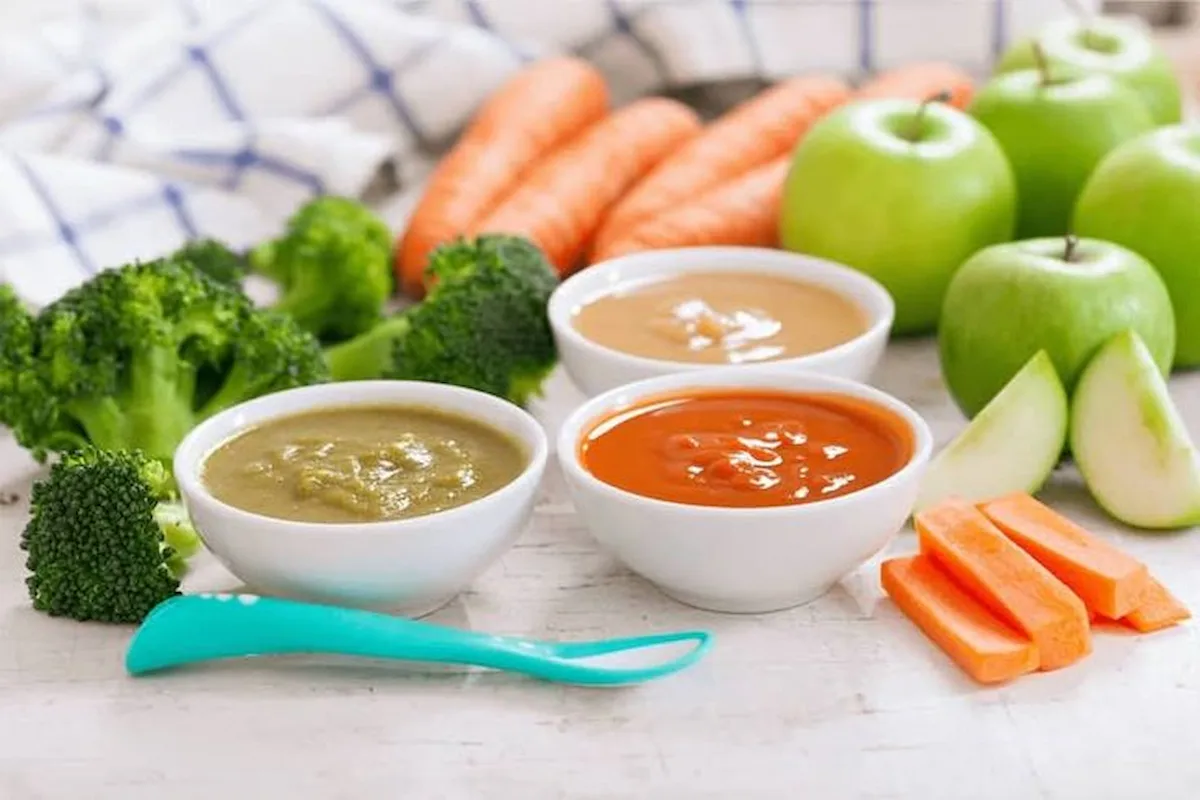
One simple ingredient such as sweet potato, apple, or banana can be blended in a smooth puree using water to make the safest puree.Based on pediatric nutrition, the consumption of single-ingredient puree decreases the risk of allergy and facilitates proper digestion and development.
Puree Recipe for Babies: At a Glance
Factor
Recommendation
Best starting age
6 months
Best first puree foods
Sweet potato, banana, apple
Texture
Smooth, thin, lump-free
Storage
Fridge: 2–3 days, Freezer: 1–2 months
Feeding amount
1–2 teaspoons initially
Equipment needed
Blender, steamer, spoon
What are the benefits of making homemade puree for babies?
It is all about satisfaction. Store-bought baby food is convenient. But homemade puree gives you full control.You know exactly what goes in. No preservatives. No added sugar. Just real food.
And honestly, babies respond well to fresh taste. Their tiny taste buds notice everything.
Benefits of homemade baby puree include:
Fresher nutrients
Better digestion
Lower cost
No hidden additives
Easy to customize
It’s simple food. Made with intention.
What is the best puree recipe for your baby?
The best puree recipes start with easy to digest food as your baby’s digestive system is still maturing.
Best first food puree for babies includes:
Sweet potato pureeApple puree
Banana puree
Pear puree
Pumpkin puree
Carrot puree
These foods are naturally soft and rich in nutrients babies need.
How to Make Puree Recipe for Babies (Step-by-Step Guide)
Here’s the exact process. Nothing complicated.
Step 1: Choose One Fresh Ingredient
Start with one food only.
This helps detect allergies easily.
Example: sweet potato, apple, or banana.
Step 2: Wash, Peel, and Cut
Clean thoroughly.
Remove peel.
Cut into small pieces.
Smaller pieces cook faster and evenly.
Step 3: Steam or Cook Until Soft
Steaming is best for nutritious baby puree because it keeps more vitamins.
Steam for 10–15 minutes.
Food should mash easily with fork.
Step 4: Blend Until Smooth
Transfer into blender.
Add small amount of water.
Blend until smooth and lump-free.
This creates safe stage 1 baby puree texture.
Step 5: Cool and Serve Safely
Always cool before feeding.
Test temperature.
Start with small spoonful.
Watch baby’s reaction.
Simple. Safe. Effective.
Easy Sweet Potato Puree Recipe for Babies
This is one of the most loved recipes.
Ingredients
1 sweet potato
Water as needed
Instructions
Peel and chop sweet potato
Steam for 15 minutes
Blend until smooth
Add water for proper consistency
This creates perfect sweet potato puree for babies.
Sweet potato supports healthy weight gain and digestion.
Banana Puree Recipe for Babies (Fastest Option)
This is perfect for busy days.
No cooking needed.
Instructions
Mash ripe banana
Add breast milk, formula, or water
Mix until smooth
Banana is ideal first puree food for babies.
It’s gentle and filling.
Apple Puree Recipe for Babies
Apple puree is safe and nutritious.
Instructions
Peel and chop apple
Steam 10 minutes
Blend until smooth
Apple supports immunity and digestion.
This is a classic fruit puree recipe for babies.
How Thick Should Baby Puree Be?
This is important.
Puree should be:
Smooth
Thin
Easy to swallow
As baby grows, texture can thicken gradually.
This helps oral development.
How Much Puree Should Baby Eat Daily?
Start small.
Recommended feeding progression:
Day 1–3: 1–2 teaspoons
Week 2: 2–4 teaspoons
Month 2: 2–4 tablespoons
Milk remains the main nutrition source during early stages.
Checklist: How to Make Safe Puree Recipe for Babies
Use this quick checklist before feeding:
Use fresh ingredients
Avoid salt and sugar
Blend smooth texture
Start with single ingredient
Introduce new foods slowly
Store safely
Monitor baby reaction
This ensures a safe baby puree feeding routine.
Common Mistakes Parents Should Avoid
Many parents worry. Totally normal.
Avoid these mistakes:
Making puree too thick Adding seasoning Introducing multiple foods at once Forcing baby to eat
Babies learn at their own pace.
Patience matters.
When Should Babies Transition from Puree?
Most babies transition around 8–9 months.
They begin:
Thicker textures
Mashed foods
Finger foods
Puree is just the first stage.
Expert Insight on Baby Puree Feeding
According to pediatric nutrition experts, introducing single-ingredient puree at 6 months supports digestive readiness and lowers allergy risk. There is also increased exposure to natural flavors at an early age and this encourages healthy eating habits in later life.