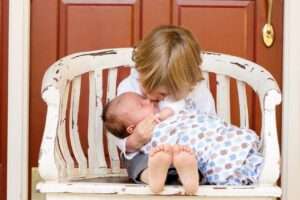
The first time I held my baby, I remember panicking over the silliest things. “Is her hat too loose? Too tight? Is she…cold?” Turns out, that last one was a real concern.
Hypothermia, low body temperature is a common worry for newborns,they can quickly become cold especially after birth,you need to maintain their body temperature with skin contact and warm blankets.The issue is there are some babies who are more at risk for hypothermia ,it is important to understand why and how to prevent them.
So today, we’re chatting about a really important topic: which newborn is most at risk for hypothermia and how you can keep your little one warm and safe.
Let’s keep it simple ,no scary medical language here, just straight-up parent-to-parent advice.
What do we mean by Hypothermia in Newborns?
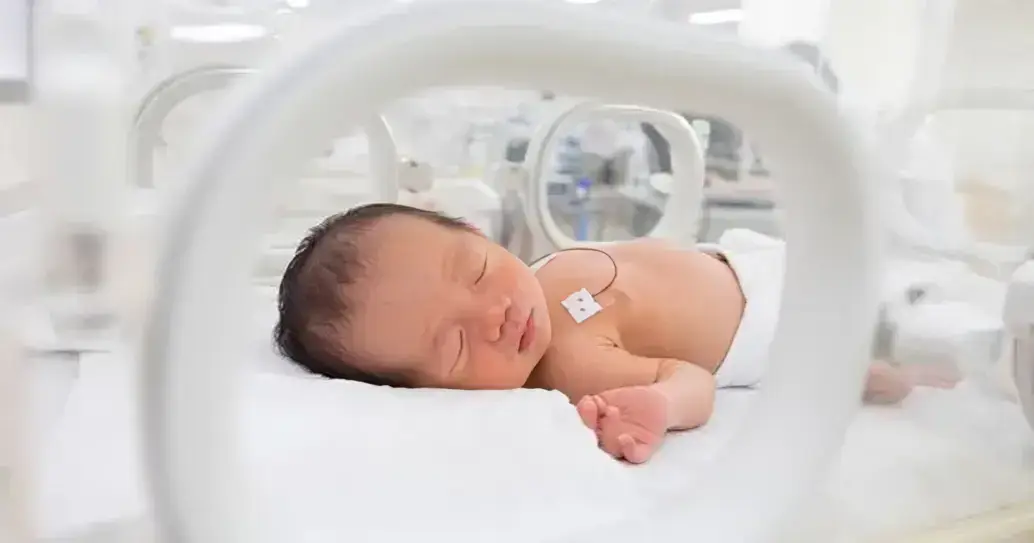
Hypothermia is a condition in which body temperature drops below 36.5°C (97.7°F), newborns who are born prematurely and who have low birth weight are at most risk for hypothermia.
Newborns need heat and protection to be prevented from hypothermia,they need to be dried ,close skin to skin contact and holding your baby closer to your body helps.
Newborns lose four times faster heat than adults ,they have thin sensitive skin and less layer of fat deposition than us.Thats why it is important to be careful for temperature changes in babies.
Which Newborn Is Most at Risk for Hypothermia?
Now let’s see some facts to conclude the big question, Which newborn is most at risk for hypothermia?
Some newborns need extra care than others to reduce the risk of hypothermia specially at the time of birth:
1. Premature Babies (Born Before 37 Weeks)
Babies born before 37 weeks are premature and have less fat layer to regulate surrounding temperature.They can lose heat quickly even in a warm room..
2. Low Birth Weight Babies (Under 2.5 kg or 5.5 lbs)
The babies which are born low weight, have less surface area in their bodies ,less fat they have more chances of losing heat from their body.
3. Babies Born at Home or in Cold Environments
If babies are delivered in a room with low temperature or cold environmental conditions without proper heating measures ,the risk of hypothermia increases.
4. Newborns Who Aren’t Dried or Wrapped Immediately
A wet baby plus cool air = rapid heat loss. It’s important to dry and wrap them right away.
5. Sick or Unstable Newborns
Babies who are suffering from a disease or infection since birth have less chances of regulating their temperature effectively.
Why Do Newborns Get Cold So Easily?
If you ever wonder why my newborn feels cold even when they are wrapped, your anxiousness is justified.
Here’s why:
Their skin is super thin
They don’t have much fat to insulate their tiny bodies
They can’t move around to warm up
Their brain isn’t great at controlling body temp yet
So, even if you are feeling hot,wearing a comfy T-shirt,your baby might need some extra clothes and socks to feel warm.
Signs of Hypothermia in Newborns
This part is important especially if you’re a new parent trying to figure out every single baby sound and squirm.
I am sharing some important signs of hypothermia in newborns that you can notice:
Their hands can be cold
Pale or bluish skin
Baby seems sleepy all the time or hard to wake
Slow breathing
Weak cry or no interest in feeding
If you observe any of these signs,keep your baby warm,skin to skin contact is best along with warm clothes,consult your doctor for better advice.
How to Keep Newborn Warm (Without Overheating Them)
Keeping a baby warm is a bit of a Goldilocks game , not too hot, not too cold. Here’s what’s worked for me (and so many parents I know):
1. Skin-to-Skin Contact
Keep your baby close to your skin,snuggle them against your chest ,it will make them feel warm naturally and help them regulate their heartbeat too..
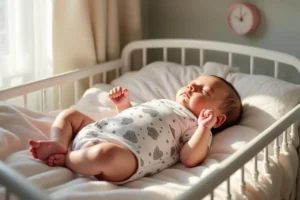
2. Dress Baby in One More Layer Than You’re Wearing
If you’re comfy in a tee, your baby might need a onesie and a light sleeper. Don’t forget the hat!
3. Warm the Room, Not the Baby
Maintain the temperature between 22°C–24°C (72°F–75°F) of the room in which you are keeping the baby ,you can use a thermometer to make it easy for yourself.
4. Swaddle Smartly
Swaddling helps trap heat and calms the baby. But make sure it’s not too tight, and stop once the baby starts rolling over.
5. Avoid Overheating
Too many layers or heavy blankets can be dangerous too. Feel the back of baby’s neck , if it’s sweaty, they’re too warm
What to Do Right After Birth to Prevent Hypothermia
This is one of the most critical moments for preventing heat loss. Whether you’re birthing in a hospital, birthing center, or at home ,here’s what should happen:
Baby should be dried right away
Placed skin-to-skin on your chest
Covered with a warm blanket and hat
Breastfed early , it helps warm baby from the inside out
Postpone the first bath until baby’s temp is stable
Midwives and doctors are usually great at this , but it’s always good to know what to expect and ask if needed.
Not always! Newborns often have cold hands and feet, even when their core is warm. Check their chest or back , if that feels warm, they’re likely okay.
Yes , but only while you’re awake. Skin-to-skin is great for bonding and warmth, but for naps or nighttime sleep, always place the baby on their back in a safe sleep space.
Feel the back of their neck. If it’s sweaty or hot, they might be overheating. Remove a layer and make sure the room isn’t too warm.
Final Thoughts: Stay Warm, Stay Close
So, let’s sum it up and see what we have learnt about Which newborn is most at risk for hypothermia?
The ones with low body weight ,or who are born early ,need more love,care and warmth surrounding them.
You need to be aware,smartly layer them,maintain the room temperature,don’t overdo it and the most important way to prevent hypothermia in a newborn is skin to skin contact.
Keep them close with love ,you are the best heater and their protector. So snuggle often, trust your instincts, and don’t stress the tiny socks too much.